22 Oct 2026
Bridging Bets and Bonuses: Interstate Data Syncing in US Mobile Sportsbooks and Casinos
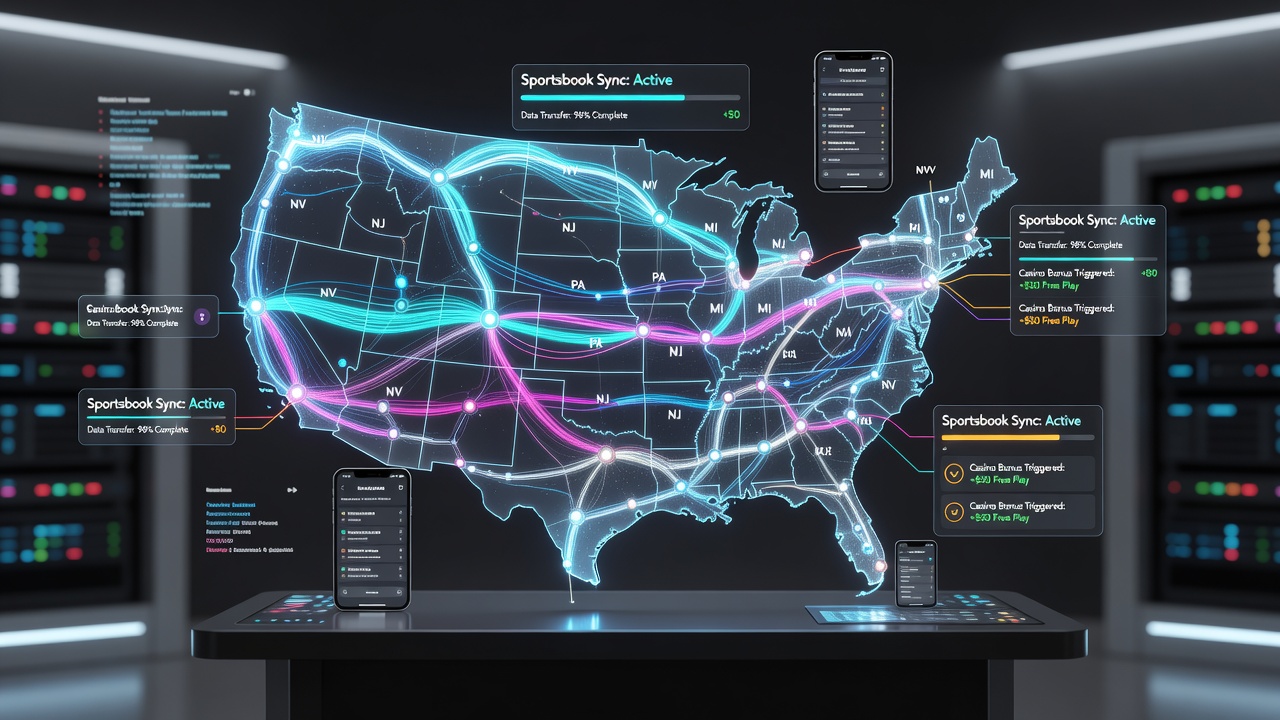
Operators across multiple US jurisdictions have developed systems that connect sportsbook activity directly to casino bonus eligibility on mobile platforms, creating unified player profiles that update in real time as users move between states with different licensing rules. These integrations rely on shared databases that track wagering patterns, deposit histories, and bonus redemptions while respecting each state's separate regulatory framework. Data flows through secure APIs that allow a bet placed in one state to influence available casino promotions when the same user opens a casino app in another jurisdiction where both products operate under the same parent company.
Technical Foundations of Cross-Border Data Exchange
Platforms use geofencing technology combined with account-level identifiers to determine which state rules apply at any given moment, then pull or push relevant information to bonus engines without violating jurisdictional boundaries. When a user completes a sports wager in New Jersey, for instance, the system logs the activity and checks eligibility flags that may unlock free spins or deposit matches in Pennsylvania or Michigan once the player crosses state lines and the location services confirm compliance. These triggers activate only after regulatory checks confirm the user meets age, location, and responsible gaming requirements in the new state.
Studies from the American Gaming Association indicate that synchronized systems have expanded since 2023, with several major operators reporting higher retention rates among users who engage with both verticals. The technology stack typically includes cloud-based customer data platforms that segment information by state while maintaining a single player ID across the network. Real-time synchronization happens through encrypted channels that update bonus balances within seconds of a qualifying event in the sportsbook.
Regulatory Landscape Shaping Implementation
Each state maintains its own oversight of data handling, requiring operators to segment records so that information collected under one license does not improperly influence activity under another. The New Jersey Division of Gaming Enforcement and the Pennsylvania Gaming Control Board have issued guidance documents that outline acceptable data-sharing practices between affiliated brands. These rules emphasize transparency in how bonus triggers are calculated and require clear disclosure to players about which activities affect which promotions.
As of October 2026, several states have updated their technical standards to accommodate more sophisticated syncing features, including requirements for audit trails that record every data transfer between sportsbook and casino modules. Operators must demonstrate that bonus eligibility logic remains consistent with the rules of the state where the player is physically located at the time of redemption. This has led to the development of state-specific rule engines that sit on top of the shared player database.
Player Experience and Bonus Mechanics
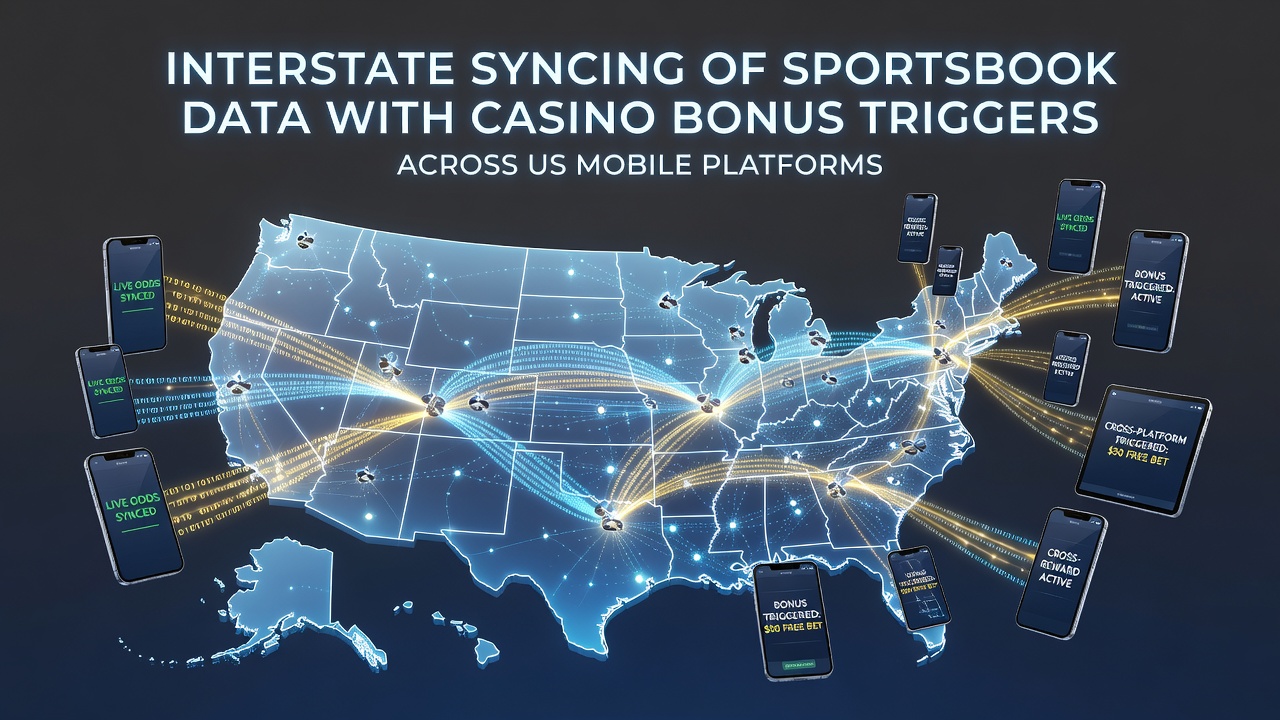
Users often notice that completing a parlay or reaching a certain handle threshold in one app immediately updates available casino offers in another app from the same operator. The trigger logic varies by brand but commonly includes requirements such as minimum odds, total stake amounts, or specific event participation. Once the sportsbook data meets the criteria, the casino bonus engine releases the reward without requiring a separate action from the player, provided location verification succeeds.
Research published by the University of Nevada, Las Vegas gaming research center shows that integrated bonus systems can increase average session length when players understand the connection between their sports activity and casino rewards. The study examined transaction logs from multiple operators and found measurable differences in cross-product engagement among accounts that received synchronized promotions compared with those that did not. Operators present these mechanics through in-app notifications that explain the qualifying conditions in plain language.
Security and Compliance Considerations
Data protection measures include tokenization of sensitive identifiers and regular penetration testing mandated by state regulators. Because player information crosses state lines electronically, companies implement additional controls such as role-based access and automated compliance checks that flag any transfer that might breach a jurisdiction's data residency rules. Third-party auditors review these processes during license renewals to verify that the syncing infrastructure meets current standards.
Industry reports from the National Council on Problem Gambling note that synchronized systems also incorporate responsible gaming tools that apply uniformly across verticals, so a self-exclusion request placed through the sportsbook module blocks casino access in every connected state. This unified approach simplifies enforcement while maintaining the separate legal status of each product.
Conclusion
Interstate syncing of sportsbook data with casino bonus triggers continues to evolve as more states legalize mobile gaming and operators refine their technical capabilities. The systems rely on precise geolocation, segmented databases, and regulatory-approved rule engines to deliver seamless experiences while respecting jurisdictional limits. Continued updates to state technical standards and growing player familiarity with cross-product mechanics will shape further developments in how these platforms connect sports and casino activity across US mobile environments.