8 Oct 2026
Decoding State-Specific Payment Protocols in US Mobile Gambling Networks
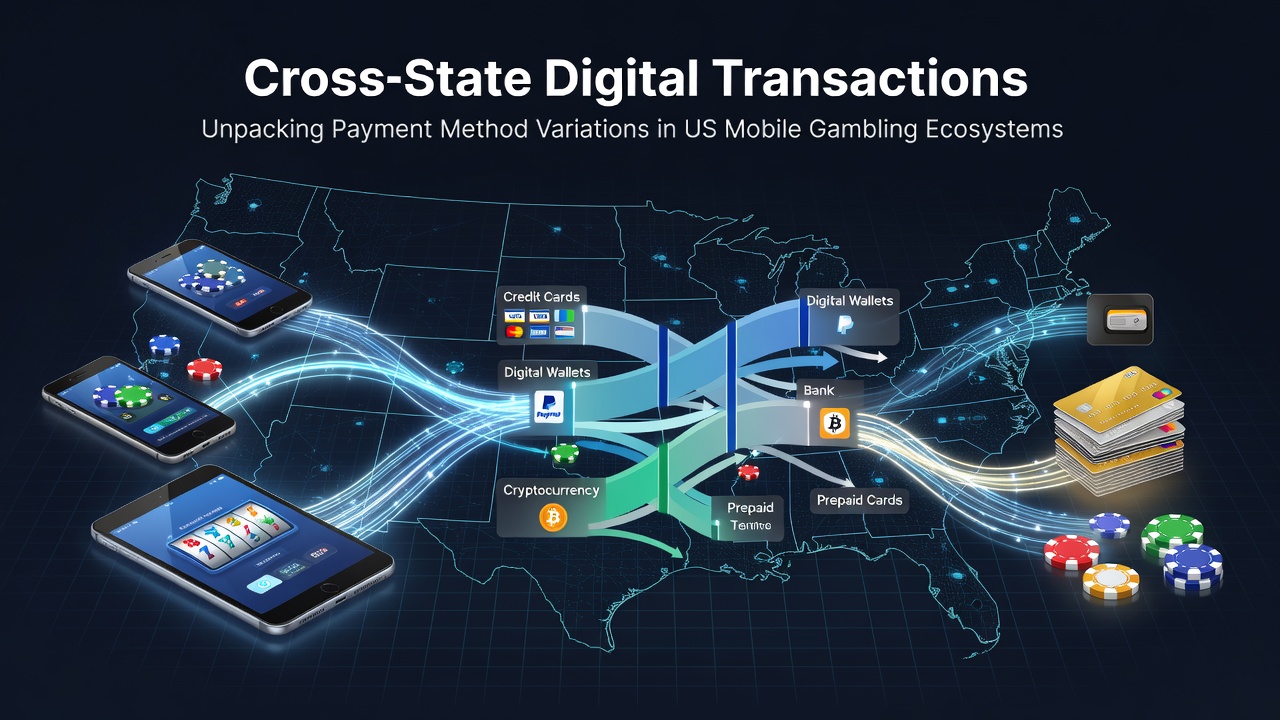
Payment methods in US mobile gambling ecosystems shift noticeably from one state to another because each jurisdiction maintains its own licensing rules, banking restrictions, and consumer protection standards. Observers note that operators must adapt deposit and withdrawal options to comply with local statutes, which creates a patchwork of supported processors, fee structures, and processing times across the country. Data from industry reports show that credit card usage dominates in some markets while ACH transfers or digital wallets prevail in others, depending on the regulatory environment and banking partnerships available within each state.
Regulatory Foundations Behind Payment Differences
States that legalized mobile gambling early, such as New Jersey and Pennsylvania, established detailed frameworks that dictate which financial institutions may process gambling transactions. These rules often reference federal banking guidelines while adding state-level requirements around transaction reporting and player verification. Researchers at academic institutions tracking gambling legislation have documented how later-adopting states frequently reference earlier models yet introduce unique limitations on certain payment types, including restrictions on prepaid cards or cryptocurrency. According to figures released by the American Gaming Association, more than 60 percent of mobile deposits in regulated markets during 2025 relied on a combination of debit cards and e-wallets, though the exact split varied by jurisdiction.
Common Payment Methods and Their Regional Reach
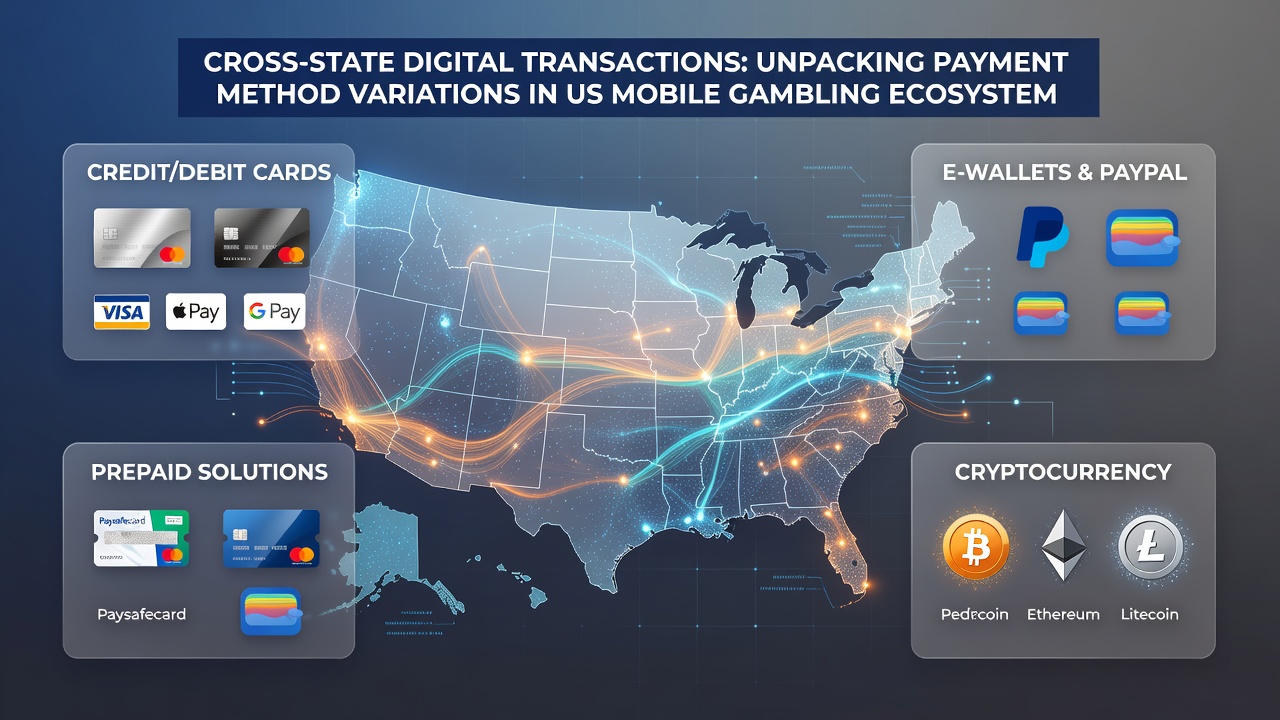
Mobile platforms typically offer a core set of options that operators customize per state. Credit and debit cards remain widely accepted where state law permits direct processor relationships, yet some markets require additional identity checks that extend settlement periods. ACH bank transfers appear frequently in states with strong consumer banking protections, delivering lower fees but slower fund availability. Digital wallets such as PayPal and Apple Pay have expanded in several jurisdictions following updates to financial service regulations, while prepaid vouchers and cash-based methods persist mainly in states that prioritize player anonymity safeguards. One analysis of transaction logs from major operators revealed that wallet-based withdrawals processed 40 percent faster on average than traditional bank transfers in states permitting instant cashout features.
Cross-State User Experiences and Technical Adaptations
Players who travel between states or maintain accounts across multiple regulated markets encounter shifting payment interfaces that reflect each jurisdiction's rules. Geolocation requirements tied to payment processing mean that an approved method in one state may become unavailable upon crossing state lines, prompting operators to maintain separate banking integrations for each license. Technical teams at gambling technology providers have developed modular payment gateways that detect user location and surface only compliant options, reducing declined transactions. Studies from research centers focused on financial technology in gaming indicate that these adaptive systems lowered failed deposit rates by approximately 25 percent between 2024 and 2025 in multi-state operations.
Emerging Trends Scheduled for Late 2026
Regulatory calendars list several payment-related updates slated for October 2026, including expanded reporting standards for high-volume transactions and new interoperability guidelines between state systems. Industry groups anticipate that these changes will encourage wider adoption of standardized digital wallet protocols while maintaining state autonomy over fee caps and verification thresholds. Observers tracking legislative dockets note that states currently reviewing mobile gambling expansions are evaluating how to integrate these forthcoming requirements into existing payment infrastructures without disrupting player access.
Operational Impacts on Platforms and Financial Partners
Operators managing licenses across multiple states allocate significant resources to compliance teams that monitor evolving payment rules and renegotiate processor agreements accordingly. Banking partners, meanwhile, assess risk profiles differently depending on the regulatory maturity of each market, which influences the speed at which new payment types receive approval. Trade publications covering gaming finance report that platforms with unified payment dashboards still segment backend processing by state to satisfy distinct auditing and tax remittance obligations. This segmentation adds complexity yet supports broader market participation as more states authorize mobile gambling.
Conclusion
Payment method variations across US mobile gambling ecosystems stem directly from state-specific regulatory choices that shape which processors, verification steps, and settlement speeds operators can offer. Data compiled by research institutions and industry associations demonstrate consistent differences in method popularity and transaction performance between jurisdictions. As additional states implement or refine their frameworks ahead of October 2026 updates, payment infrastructures will continue evolving to meet compliance demands while preserving functional access for users in each regulated market.