8 Oct 2026
Platform Policies Driving Changes in Slot Availability Across US Gambling Jurisdictions
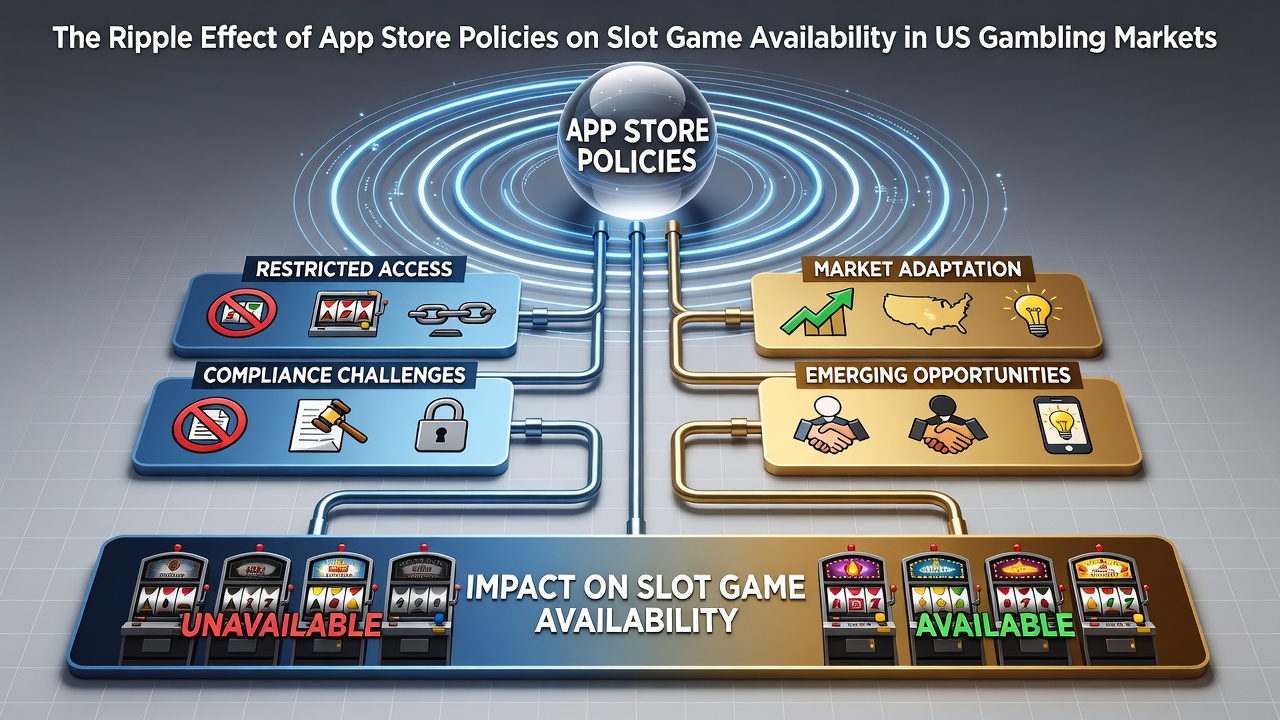
Apple and Google maintain detailed guidelines that govern real-money gambling applications in their respective stores, and these rules create direct effects on which slot titles reach players in states where iGaming operates legally. Developers must secure state-specific licenses and meet age-verification standards before submission, while the stores themselves enforce additional technical requirements around payment processing and responsible gaming features. Data from regulatory filings shows that several major slot providers adjusted their release schedules in 2025 after updates to in-app purchase rules, resulting in delayed launches for certain progressive jackpot games in New Jersey and Pennsylvania markets.
State-Level Variations in App Distribution
Each regulated state imposes its own licensing framework on top of the national store policies, and this layering produces noticeable differences in available slot libraries. Operators in Michigan, for example, report that certain themed video slots featuring licensed intellectual property remain unavailable through direct app downloads because the content owners have not completed the required compliance reviews demanded by both the state gaming board and the platform holders. Meanwhile, Connecticut and West Virginia have seen steadier rollouts of new titles because local regulators coordinate more closely with storefront reviewers on certification timelines. Figures released by state gaming agencies indicate that Michigan operators offered roughly 15 percent fewer unique slot games through mobile channels compared with their Pennsylvania counterparts during the first half of 2026.
Developer Adaptations and Workarounds
Many studios now route real-money slot sessions through browser-based progressive web applications when store approval timelines stretch beyond commercial windows. This approach bypasses some review bottlenecks yet introduces separate technical hurdles around session persistence and push-notification functionality. Industry reports compiled by the American Gaming Association document that at least eight major slot developers expanded their web-app offerings between late 2025 and October 2026, citing extended review cycles at both major mobile platforms. Observers note that these shifts have preserved access to popular mechanics such as cascading reels and hold-and-win bonuses, even when native applications faced temporary restrictions.
Player Access Patterns and Market Data
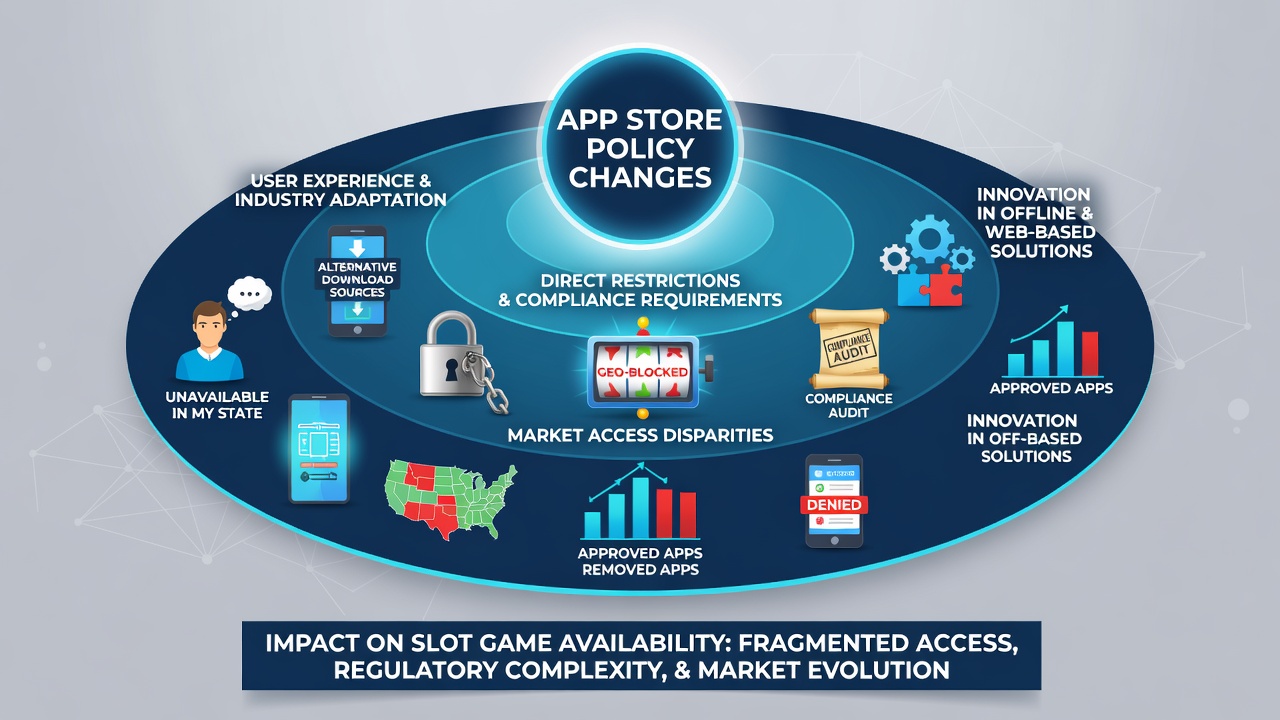
Usage statistics gathered by state regulators reveal that players in approved jurisdictions increasingly combine native apps with browser sessions to reach the full range of available titles. In Pennsylvania, mobile browser traffic for slot content rose 22 percent year-over-year through September 2026 according to data published by the Pennsylvania Gaming Control Board. Similar patterns appear in New Jersey Division of Gaming Enforcement monthly summaries, where hybrid access methods now account for a growing share of total handle. These trends demonstrate how platform-level constraints propagate through the supply chain and ultimately shape the day-to-day experience for end users.
Regulatory Coordination Efforts
State regulators have begun sharing compliance documentation more frequently with platform review teams in an effort to shorten approval cycles for new slot releases. Nevada and New Jersey officials participated in joint working sessions with both Apple and Google representatives during 2025, focusing on standardized responsible-gaming flags and geo-location verification protocols. Although these discussions have not produced uniform national standards, they have reduced duplicate testing requirements for several high-profile releases scheduled for late 2026. Trade association summaries indicate that such coordination has trimmed average review times by approximately three weeks for titles that meet all participating state criteria.
Looking Ahead to Late 2026 and Beyond
Upcoming changes to payment processing rules at the major stores are expected to affect how operators handle in-app deposits for slot play, particularly for games that incorporate tournament entry fees. Several providers have already begun testing alternative payment flows that route transactions outside the stores while still maintaining regulatory oversight required by state law. Data from the first quarter of 2026 suggests that states with mature regulatory frameworks will continue to see broader slot libraries than newer markets, largely because established operators have accumulated the documentation needed to satisfy repeated platform reviews. Those patterns are likely to persist as additional states consider legalization measures.
Conclusion
App store policies interact with state gaming regulations to determine which slot experiences reach US players, and the resulting landscape continues to evolve through incremental adjustments rather than wholesale overhauls. Coordination between regulators and platform operators has produced measurable improvements in review efficiency, while developers have expanded web-based delivery options to maintain content variety. Market data through October 2026 shows these combined responses have kept a diverse range of slot mechanics accessible, even as individual titles face shifting availability windows across different jurisdictions.