19 Nov 2026
Player Migration Between States Reshapes Loyalty Rewards in America's Multi-Jurisdictional Casino Landscape
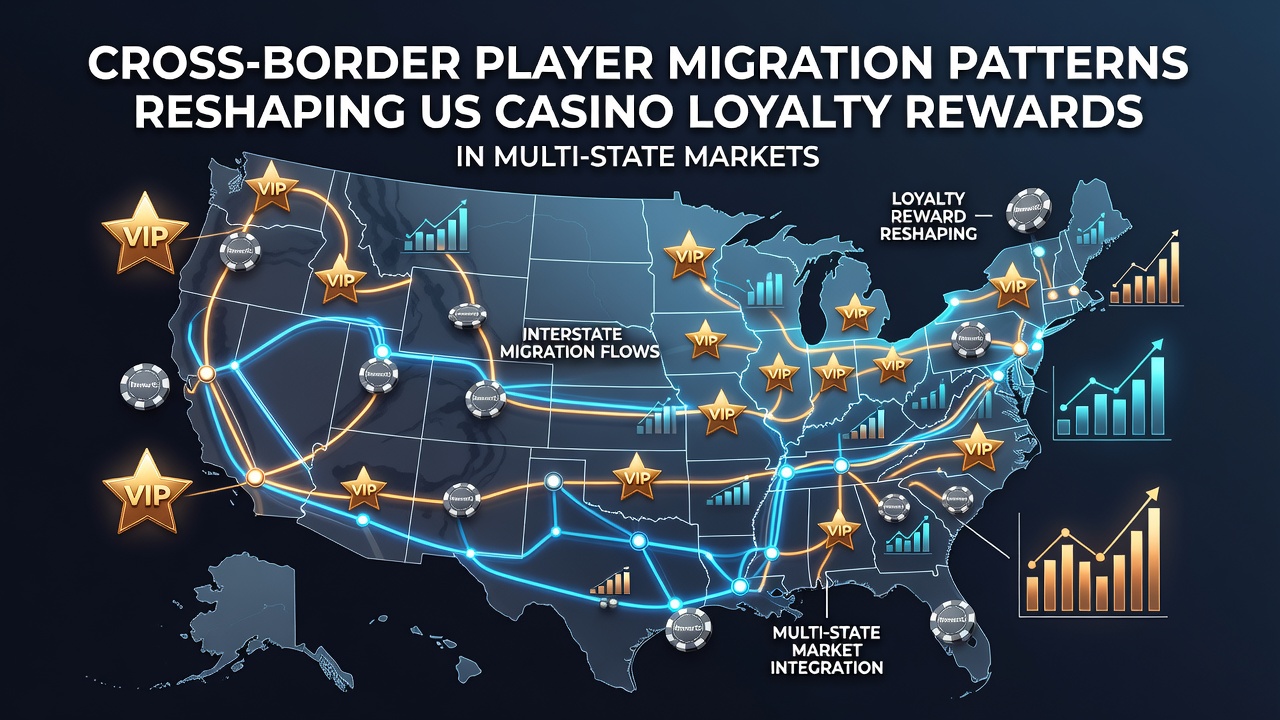
Interstate movement of players continues to influence how casino operators structure loyalty rewards in markets spanning multiple states, and data from recent regulatory filings shows increased cross-border activity in regions where online and land-based gambling intersect. Players registered in one jurisdiction often access platforms licensed in neighboring states, which creates new variables for point accumulation, tier progression, and redemption options. Observers note that operators respond by adjusting reward algorithms to track activity across these boundaries while remaining compliant with each state's separate regulatory framework.
Patterns Emerging in Key Multi-State Corridors
Records from operators active in Pennsylvania, New Jersey, and Michigan reveal that a measurable share of high-volume players maintain accounts in at least two states, with activity peaking during seasonal travel periods. These patterns emerged more clearly after several states expanded their online offerings, allowing seamless transitions between physical venues and digital platforms. Researchers tracking transaction data have documented that loyalty points earned in one state frequently transfer or convert when players shift to another jurisdiction's ecosystem, though conversion rates vary by operator partnership agreements.
One study released in mid-2026 highlighted how players based near state borders generate higher average spend when rewards programs recognize activity from adjacent markets. The same analysis indicated that operators without cross-state recognition features experience slower tier advancement among this mobile segment. Figures from the American Gaming Association show continued growth in total active accounts across these corridors, with migration contributing to a measurable portion of that increase.
Adjustments to Reward Structures and Tier Systems
Casino groups operating across state lines now incorporate geo-fencing and account-linking protocols that flag multi-state play without violating individual licensing rules. These technical changes allow programs to award bonus multipliers or accelerated point accrual when activity spans jurisdictions, yet each state's tax and reporting requirements remain separate. Data indicates that players who migrate regularly reach elite tiers faster under the updated structures, prompting operators to refine qualifying criteria to balance revenue from local versus traveling patrons.
Redemption options have also evolved. Points earned in one state can sometimes fund experiences in another, such as hotel stays or event access, provided the operator maintains licenses in both locations. This flexibility reflects broader industry efforts to retain mobile players amid expanding competition from newly legal markets. Reports from the National Center for Responsible Gaming note that such features require additional responsible gaming controls, including unified self-exclusion lists that function across participating states.
Regulatory and Operational Considerations Through Late 2026
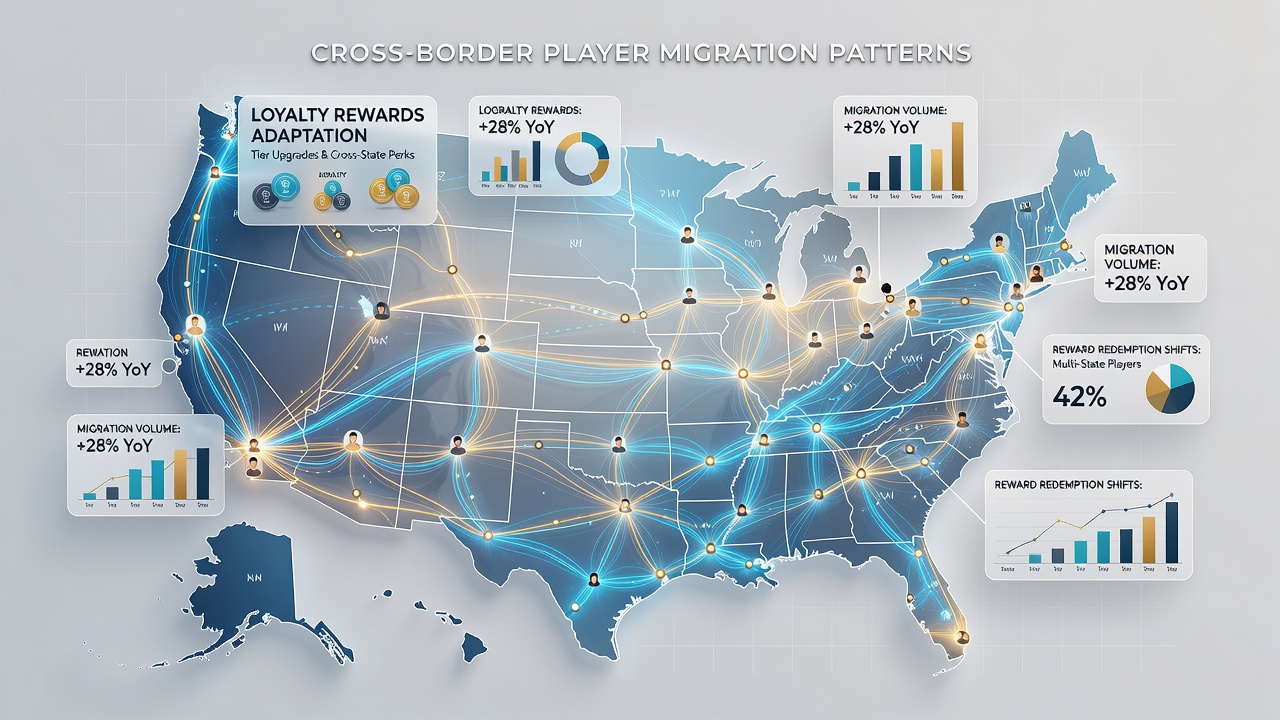
By November 2026, several states had updated their reporting standards to capture cross-border player data more precisely, requiring operators to submit anonymized migration statistics alongside traditional revenue figures. These requirements emerged from ongoing reviews of how multi-state play affects responsible gaming metrics and tax allocations. Operators responded by investing in centralized data platforms that maintain compliance firewalls between state-specific ledgers while enabling unified player profiles for marketing purposes.
Industry associations have published guidelines recommending standardized data fields for tracking interstate activity, though adoption remains voluntary. Those guidelines emphasize transparency in how loyalty benefits calculate across borders and stress the need for clear disclosure to players about which rewards remain valid only within a single jurisdiction. Observers tracking these developments report that larger operators with existing multi-state footprints adapt more quickly than smaller regional groups still entering new markets.
Impact on Player Behavior and Program Design
Transaction logs reveal that players aware of cross-state reward portability tend to concentrate play during periods when promotional offers align across jurisdictions. This behavior has led some programs to stagger bonus periods so that activity in one state does not simply shift to another without net revenue gain. Researchers examining these trends have found that targeted communications highlighting multi-state benefits increase engagement among identified border players while maintaining overall spend levels.
Smaller operators without cross-state partnerships have begun exploring reciprocal agreements with non-competing brands in adjacent markets, creating limited reward exchange networks. Early results from these arrangements show modest increases in retention, though scale remains limited compared with integrated corporate portfolios. Data from state gaming reports continues to feed academic studies examining how these evolving loyalty mechanics influence long-term player migration routes.
Conclusion
Cross-border player movement has become a measurable factor in the ongoing refinement of US casino loyalty programs operating in multi-state environments. Regulatory updates through late 2026 have encouraged more precise tracking and standardized disclosures, while operators adjust tier systems, point portability, and promotional timing to accommodate mobile patrons. Available figures and compliance filings demonstrate that these adaptations continue to shape both program design and player activity patterns across expanding American markets.